

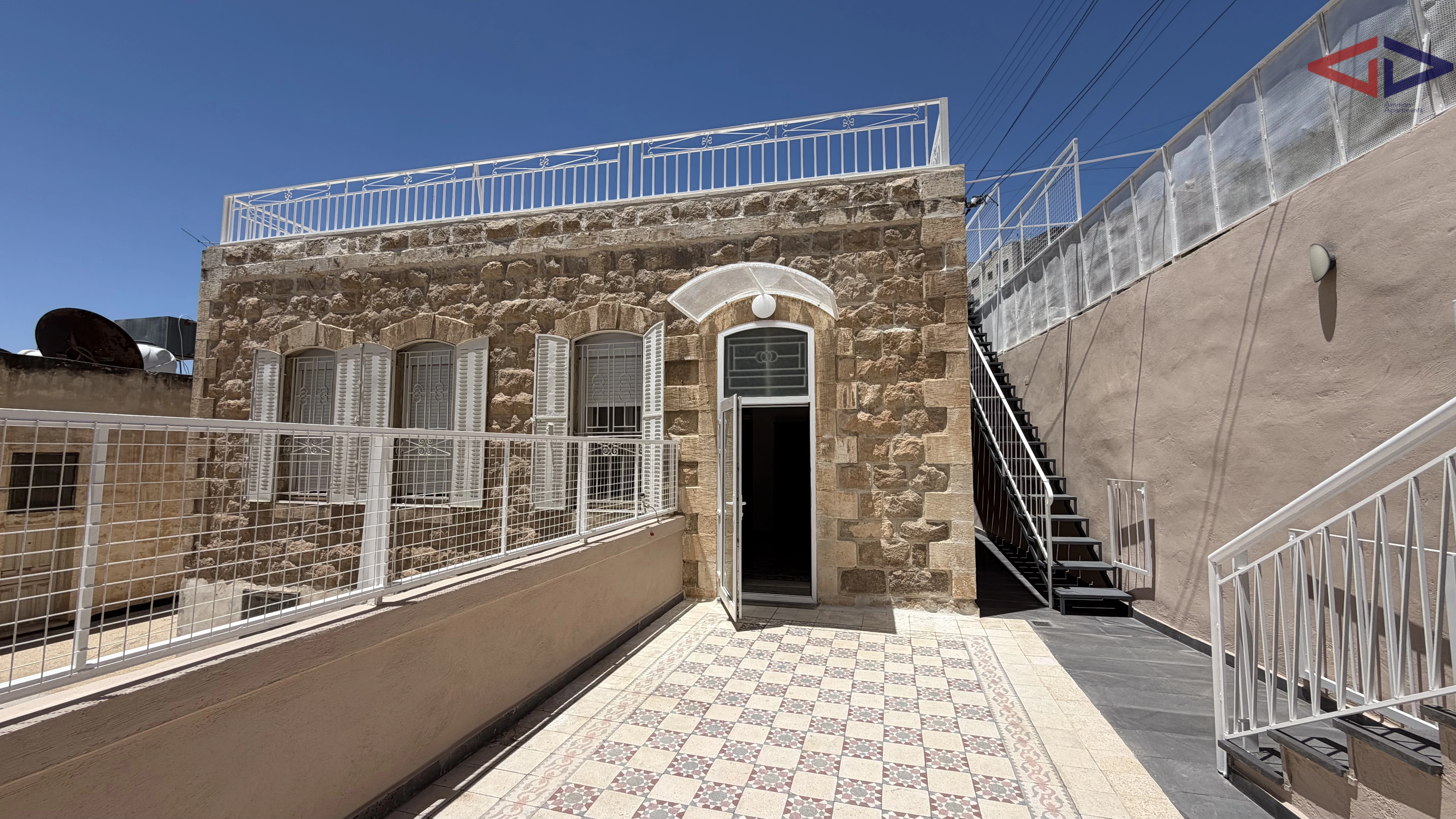

Jabal Al-Weibdeh: The Side of Amman Most People Never See
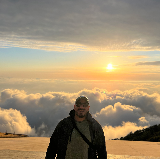
Ask any longtime Amman resident where they actually go when they want to switch off — not where they send tourists, but where they personally go — and Jabal Al-Weibdeh comes up more than anywhere else.
It sits on one of Amman's original hills, a short drive from Downtown and the Third Circle, yet it operates at a pace the rest of the city rarely manages. The streets were built for people, not traffic. The buildings have been standing for the better part of a century. The cafés occupy houses that families lived in for decades before anyone thought to put tables in the garden.
One afternoon here tells you more about what Amman used to feel like than any guidebook. A few weekends here and you will probably start wondering what it costs to rent an apartment.
You Have to Walk It — Driving Misses Everything
Weibdeh does not work from a car window. The streets are too narrow, too interesting, and too full of things you will miss at any speed faster than walking.
They rise and dip across the hillside, curving around limestone villas and occasionally stopping at stone staircases that drop down toward Downtown Amman below. One street gives you a row of pale stone houses that look exactly the way the city looked before the towers arrived. The next one has a bakery next to a bookshop, and the smell from the bakery reaches the pavement before you see either of them. Around another corner, a house that has been standing since the 1940s now sells very good coffee under the same wooden ceiling it has always had.
None of this is staged for visitors. It is just the neighborhood.
“Tip: The streets slope sharply in places. Wear shoes you can walk in for two or three hours. Some of the best spots sit on lanes that cars physically cannot reach. ”
The Buildings Are Why People Keep Coming Back
Most of Weibdeh's older houses went up in the first half of the twentieth century, when Amman was still a small city and people built things to last. Thick limestone walls. Ceilings high enough to keep the rooms cool through summer. Wide windows to catch the breeze. Gardens designed around jasmine and bougainvillea that still spill onto the pavements when the weather turns.
Walk slowly and the details stand out — stone arches cut above doorways, handmade iron balconies, wooden shutters that have absorbed forty or fifty years of direct sun and are better for it. Some houses have been restored carefully and look the way they did when they were first built. Others carry visible age and look better precisely because of it.
Weibdeh has held onto this while most of the city around it has changed. It is why architects bring their students here. It is why photographers come back repeatedly. Every street looks like a different period of the same long story.
The Famous Landmarks Worth Your Time
Darat al Funun is the neighborhood's most well-known cultural landmark and genuinely deserves the reputation. The main building dates to the 1920s — it served as the home of the British commander of the Arab Legion, then the Prime Minister's office, then a girls' school before the Khalid Shoman Foundation restored it as a contemporary art center. The exhibitions inside change regularly, but the gardens, open terraces, and panoramic views across Downtown Amman are permanent. Entry is free. Most people who stop for twenty minutes end up staying for an hour.
The Jordan National Gallery of Fine Arts holds one of the strongest collections of modern and contemporary art in the Middle East. Even if you do not plan to spend time inside, the sculpture garden and surrounding streets are worth a slow walk. The gallery reflects the kind of cultural seriousness that has made Weibdeh what it is.
The Kalha Stairs connect the neighborhood directly with Downtown Amman below via 112 stone steps built during the 1930s. Generations of Weibdeh residents have used them daily. Today several of the old homes along the staircase have become small cafés, artisan workshops, and creative studios, so the route down the hill has its own character. The views from the top of the stairs across the city are worth the climb back up.
Paris Square sits at the top of the neighborhood and acts as its informal center. It is a small roundabout, nothing architecturally dramatic, but cafés open onto it from multiple directions and it has become the place where people arrange to meet before heading somewhere else. Most visitors pass through it at least twice in an afternoon without planning to.
The Cafés That Made Weibdeh's Reputation
Weibdeh does not have the most coffee shops in Amman. It has some of the most distinctive ones, and the reason comes down to the buildings they are in.
Many of the neighborhood's best-known cafés sit inside restored limestone villas with shaded courtyards, original stone floors, arched windows, and ceilings that nobody has replaced in sixty years. The space does work that no amount of modern interior design can replicate. Tables get arranged around features that were never intended for a dining room, and the result is that every place feels genuinely different from the last.
Rakweh Arabiyyeh is one of the neighborhood's most recognized spots — a traditional Arabic coffee house where the coffee is cardamom-spiced and the atmosphere is old Amman rather than anything recently invented for Instagram. Wild Jordan Café , perched at the edge of the hill inside the Royal Society for the Conservation of Nature building, gives you some of the best views across Amman's rooftops while you eat. The terrace on a clear morning is difficult to leave.
The day has its own rhythm. Mornings are quiet and local — residents collecting coffee before work, familiar faces acknowledged without much ceremony. Midday brings students and remote workers who take the larger tables and stay for hours. By mid-afternoon, conversations have lengthened and the tables outside fill with people who have no particular reason to rush anywhere. Most people who come for an hour end up staying for three. The neighborhood makes it easy to lose track of time.
Where to Eat and What to Expect
The restaurants in Weibdeh operate on the same principle as the cafés — the building is part of the experience, and most of them chose buildings with real history.
Rooms feel individual rather than designed. One table looks onto a walled garden. Another sits under a ceiling that has not changed since the building went up. Stone walls and original windows hold warmth in a way that constructed interiors cannot fake, which is why people remember the atmosphere here as clearly as they remember the food.
Within a short walk of each other you will find:
- Sufra Restaurant — one of Amman's best-known spots for traditional Jordanian cooking, set inside a beautifully restored heritage villa. The mansaf, the mezze spreads, and the slow-cooked lamb dishes are what people come for. Booking ahead on weekends is sensible.
- Books@Café — a Weibdeh institution that combines a second-hand bookshop with a relaxed restaurant and bar across several floors of an old house. It attracts a mixed crowd and has been part of the neighborhood long enough that it feels permanently embedded in it.
- Family-run lunch spots on the residential streets that operate without much signage and close when the food runs out
- Bakeries where bread comes out of the oven in the morning and is usually gone by early afternoon
- Wine bars and evening venues that settled in Weibdeh because the neighborhood already had the atmosphere they needed before they opened
Staff recognize returning customers. Tables near each other tend to generate their own conversations. It is the kind of dining experience that is becoming harder to find in cities expanding at the speed Amman is.
What the Neighborhood Looks Like After Dark
Weibdeh does not empty out after sunset. It shifts.
When offices close across the city, the neighborhood fills from the other direction — people walking in for dinner, friends meeting up, couples finding somewhere to sit without needing a reservation. The cafés stay open and busy. Outdoor tables fill quickly once the heat of the day drops. Music comes through from courtyards you can hear from the street but cannot always see into.
The wine bars and late evening places here chose Weibdeh for a specific reason — the atmosphere already existed before they arrived. Thick stone walls, mature trees growing over narrow lanes, buildings old enough to have earned their character. The neighborhood does not try to manufacture a mood. The buildings provide it.
The Creative Businesses That Call Weibdeh Home
Nobody planned for Weibdeh to become the center of Amman's creative community. It happened because the neighborhood had old buildings with interesting spaces inside them, and people with interesting ideas kept finding those buildings before anyone else did.
Independent galleries, design studios, artisan workshops, and cultural organizations have moved into restored houses across the neighborhood over the past two decades. Jadal for Knowledge and Culture runs community events, film screenings, and discussions from a converted space in the neighborhood. Small photography studios and illustration workshops operate out of ground-floor apartments. Independent bookshops stock titles you will not find in the mall chains.
The result is a neighborhood where someone can visit an exhibition, pick up a book, eat lunch, and sit over coffee for the rest of the afternoon without crossing more than a few streets. There are very few parts of Amman where that range exists within walking distance, which is why the people who find it here tend to stay.
What Living Here Actually Feels Like Day to Day
Most parts of Amman require a car for almost everything. Coffee, groceries, dinner, meeting a friend — all of it involves driving somewhere. Weibdeh is one of the few neighborhoods where that is not true.
The local bakery is a short walk. A familiar café becomes part of the morning before work without any planning involved. Dinner with friends means choosing somewhere two streets away rather than navigating traffic across the city. The pharmacy, the small supermarkets, the vegetable sellers on the residential streets — everyday life here happens on foot, and after a while that changes the way the day feels entirely.
That is not a small thing. It is one of the main reasons people who move to Weibdeh tend not to leave.
The Types of Apartments Available
Weibdeh does not have one type of apartment, which makes it genuinely interesting to search.
Restored heritage homes divided into flats with original limestone walls and high ceilings. Mid-century residential buildings from the 1960s and 1970s, typically spacious and positioned on quieter streets away from the main café areas. Newer developments built by people who understood the neighborhood well enough not to overwhelm it. Converted villas with shared courtyards or gardens. Upper-floor apartments with clear views across the surrounding hills.
The specific street matters more here than it does in most neighborhoods. Some streets stay active throughout the day with cafés, small businesses, and foot traffic. Others are almost entirely residential and noticeably quieter by mid-morning. Walking the streets around any apartment you consider — at different times of day — will tell you far more than photographs.
Who Lives in Jabal Al-Weibdeh
The mix of people in Weibdeh is one of its quiet strengths.
Young professionals who want a central location with streets they can actually walk after work. Architects, designers, writers, and photographers who found the buildings and the atmosphere and stopped looking. Diplomats and international organization staff who need residential character close to the city center. Families who have been here for one or two generations. Expats who arrived for a job, discovered the neighborhood, and extended their stay without much deliberation.
Different schedules, different reasons for being here — but the same streets, the same morning bakery run, and the same cafés. Over time that builds something that feels like a real community, which is rarer than it sounds in a city growing as fast as Amman.
The Honest Drawbacks Worth Knowing
Weibdeh suits certain people well and does not suit others. It is worth being straightforward about that.
Street parking near the popular cafés and restaurants gets genuinely difficult on Thursday and Friday evenings. The buildings are older, which means some apartments have quirks — uneven floors, older plumbing, limited storage — that a newly built unit would not. If you need a building with a gym, a pool, and covered parking for two cars, West Amman's newer developments offer more of that.
What Weibdeh offers in return is a neighborhood with real reasons behind the way it looks, a daily life that happens on foot, and a sense of community that takes years to build and is not available in new construction regardless of the price. For a lot of people, that trade is not difficult to make.
Find Your Apartment in Jabal Al-Weibdeh
Apartments in Weibdeh move quickly, particularly anything in a restored building with original features. Browse current listings on ammanapts.co , filter by street, budget, and apartment type, and get in touch before the ones worth having are already gone.
Also Read: Moving to Amman in 2026? The Housing Questions People Ask During Their First Month
News insight
 Jun 19, 2026
 Moving to Amman in 2026? The Housing Questions People Ask During Their First Month
Moving to Amman in 2026? Learn what newcomers ask about rent, neighborhoods, furnished apartments, c...
 Jun 12, 2026
 How Expensive Is It to Live in Amman in 2026? Rent, Utilities & Daily Costs
Planning a move to Amman? See what renters spend on housing, utilities, internet, transportation, gr...
 Jun 05, 2026
 Best Areas to Rent an Apartment in Amman, Jordan
The best neighborhoods in Amman offer very different living experiences. Compare Abdoun, Sweifieh, K...